

Education is a fundamental right for every child, and it is the responsibility of the state to provide quality education. Unfortunately, the education system is not immune to corruption and scandal. School scandals have become increasingly common, exposing the corruption, greed, and dishonesty of individuals and institutions in the education system. These scandals are not just about the abuse of power, but also about the impact they have on students, parents, and the wider community.
In this article, we will explore the prevalence of school scandals, the different types of scandals that have been reported, their impact, and the steps that can be taken to prevent them from happening.
The Prevalence of School Scandals
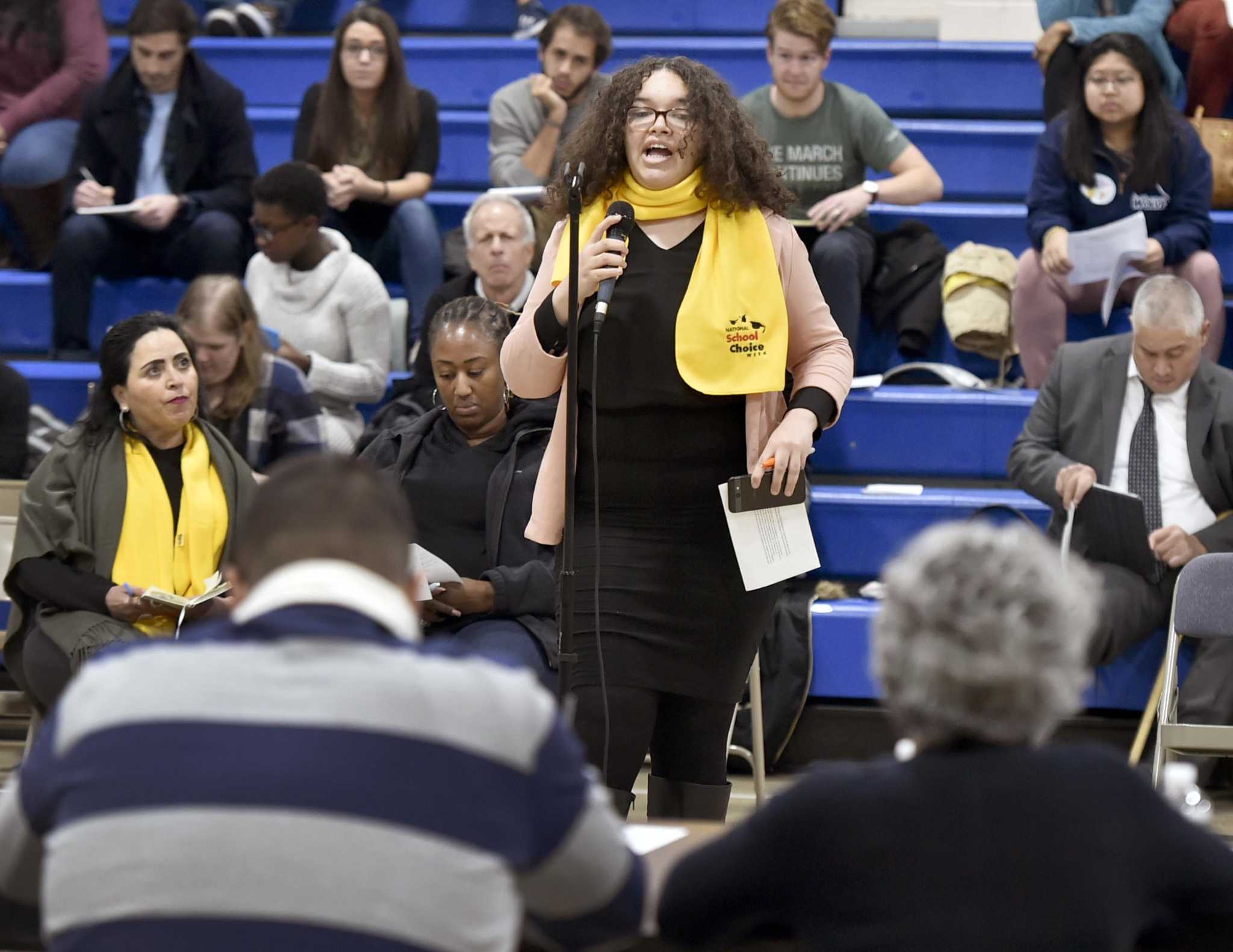 School scandals are not a new phenomenon. However, with the advent of social media and the internet, news travels fast, and scandals that were once swept under the rug are now exposed for the world to see. Over the past few years, there have been a number of high-profile school scandals, such as the college admissions scandal in the United States, where wealthy parents paid bribes to get their children into elite universities.
According to a report by the National Association of Secondary School Principals, more than 60% of high school students say they have witnessed cheating in school, and over 30% say they have cheated themselves. In addition, a 2017 survey by the Association of Teachers and Lecturers found that 38% of teachers had witnessed some form of cheating or exam malpractice.
Different Types of School Scandals
School scandals can take many different forms, from cheating and exam malpractice to financial impropriety, sexual abuse, and discrimination. Here are some of the most common types of school scandals:
Cheating and Exam Malpractice: Cheating on exams is a form of academic dishonesty that undermines the integrity of the education system. This can include copying answers from another student’s exam, using a smartphone or other device to cheat, or getting someone else to take the exam for you.
Financial Impropriety: Financial impropriety is when individuals or institutions in the education system use money inappropriately or illegally. This can include embezzlement, misappropriation of funds, or accepting bribes.
Sexual Abuse: Sexual abuse is a serious problem in the education system, with many cases going unreported. This can include sexual harassment, assault, or exploitation of students by teachers, administrators, or other staff members.
Discrimination: Discrimination in the education system can take many forms, including racism, sexism, and homophobia. This can manifest in a number of ways, such as biased grading, unequal treatment, or exclusion of certain groups of students.
The Impact of School Scandals
 School scandals can have a devastating impact on students, parents, and the wider community. They erode trust in the education system and can easily cause a sense of disillusionment and mistrust among students and parents. They can also have a negative impact on student achievement and mental health, as well as damage the reputation of schools and education institutions.
For example, the recent college admissions scandal in the United States has highlighted the unfair advantages that wealthy students have over those from less affluent backgrounds. This has led to a sense of anger and frustration among students and parents who feel that the education system is rigged against them.
What Can Be Done to Prevent School Scandals?
Preventing school scandals requires a multi-faceted approach that involves educators, administrators, parents, and students. Here are some steps that can be taken to prevent school scandals:
Create a culture of integrity and honesty: Schools should prioritize honesty, integrity, and ethical behavior in their curricula and policies. This includes establishing a code of conduct that outlines expected behaviors, creating an environment where students feel comfortable reporting misconduct, and holding staff accountable for any wrongdoing.
Implement transparency and accountability measures: Schools should implement systems that increase transparency and accountability. This includes regular audits of finances and operations, and ensuring that all staff members are properly trained on ethics and reporting requirements.
Encourage and support whistleblowers: Schools should have policies in place to protect whistleblowers from retaliation and ensure that any reports of misconduct are investigated thoroughly and promptly.
Develop strong partnerships with parents and the community: Schools should engage parents and the broader community in efforts to prevent school scandals. This includes creating opportunities for parents to be involved in the school and providing them with information about the school’s policies and procedures.
Provide ongoing education and training: Schools should provide ongoing education and training to all staff members on ethical behavior, reporting requirements, and other related topics. This can help prevent misconduct before it occurs and ensure that staff members are equipped to handle situations appropriately if they do arise.


